What do rabbits, spiders, and fairies have in common?
If you answered that they’re all associated with the trickster archetype in literature and folklore, then hypothetical cookies for you (or some other imaginary treat of your choice)!
For as long as humans have been telling stories, there have been tricksters. Sometimes they’re heroes, sometimes they’re villains—often they’re something in between. In today’s post, we’re taking a closer look at what traits define tricksters and some easy ways to take inspiration from them in writing.
What Makes a Trickster?
First, let’s explore the most prevalent traits of a trickster. Not every trickster will check every box, but most will have a majority.
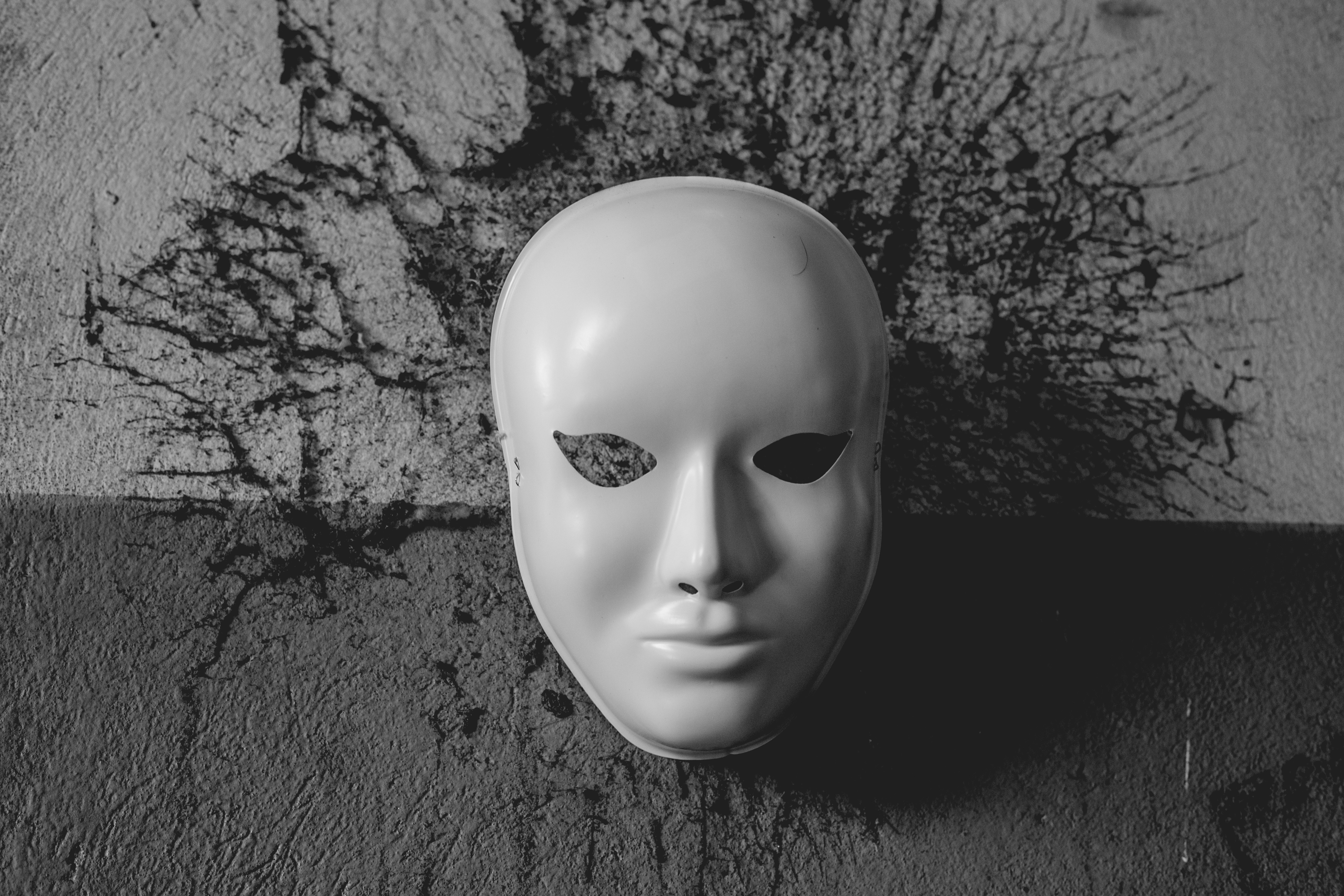
Unassuming Appearance
Tricksters are at their best when they are underestimated. It gives them an advantage when their adversary is operating (or at least, thinks they’re operating) from a position of strength. One of the hallmarks of early myths and legends (and modern stories too) is the danger of pride, and tricksters often serve as a foil to that pride (or in other cases, are the proud ones).
The Three Little Pigs were able to trick the wolf who was trying to eat them into their cookpot because he only saw them as a potential meal. Sang Kancil, a clever mouse-deer from Indonesian and Malaysian folklore, was not an animal any other creature would fear as dangerous. But he was still able to turn situations to his advantage, often without his victim’s realizing what was going on.
Cleverness and Wit
Because of their unassuming appearances, tricksters don’t rely on physicality in most encounters. While they may be bodily strong, their greatest weapon is their brain. They prefer to talk their way out of danger, and they easily out-think, out-maneuver, and out-wit any problem they come across. With a trickster, every plan has multiple layers, and nothing is what it seems at first glance.
In Greek mythology, one of the most well-known heroes is Odysseus. He was a king, a warrior, and more importantly, a strategist. He won the day more often through his cleverness and guile than through feats of strength—though there were plenty of those too! Another clever character we see in ancient literature is Scheherazade, who features in One Thousand and One Nights. For nearly three years, she used her wit to avoid the death she was threatened with on a nightly basis and win the heart of a king.
Manipulation
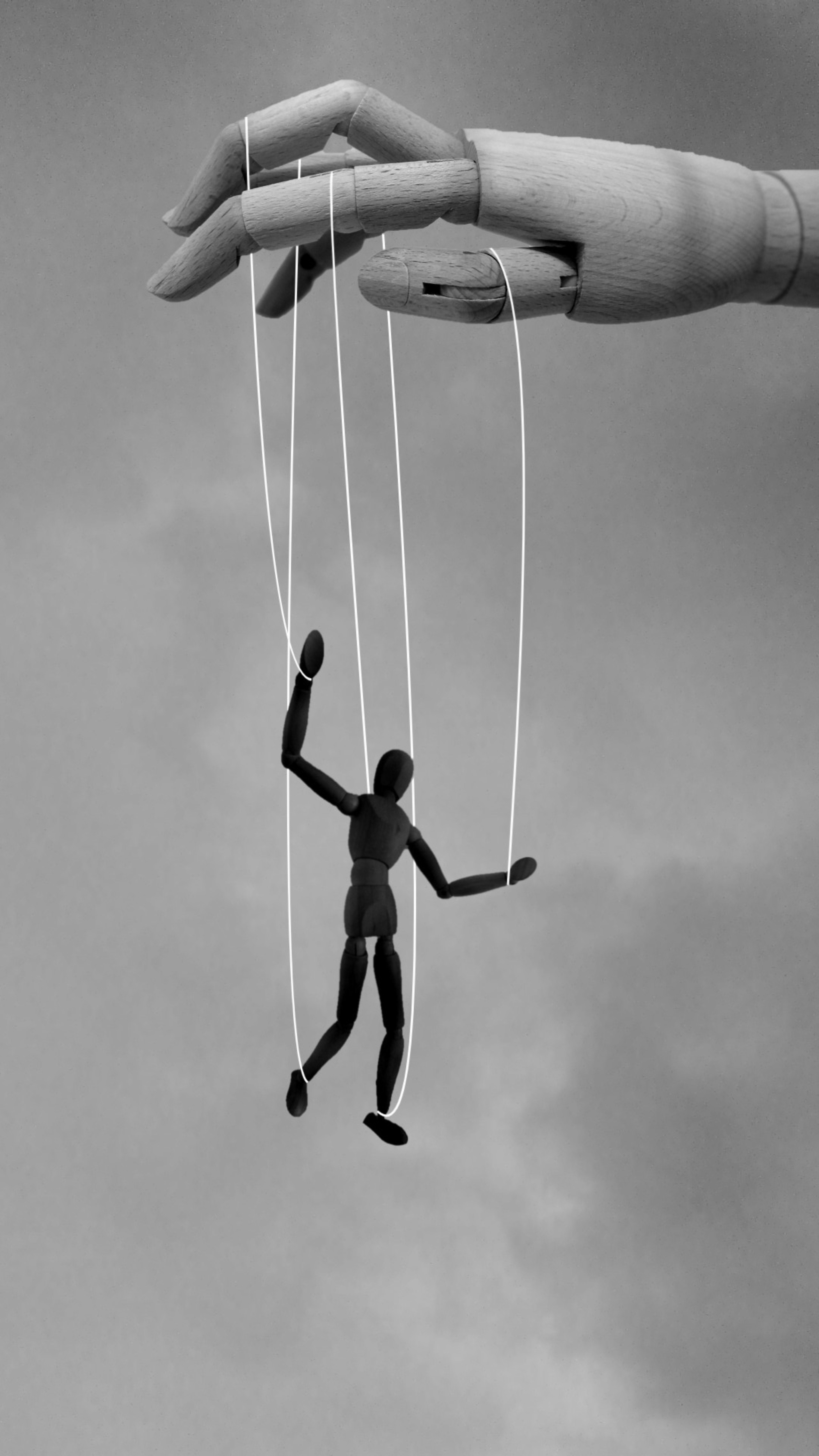
This isn’t necessarily a distinct trait from Cleverness and Wit, though it’s more nefarious in intent. Tricksters work hard to turn situations to their advantage, often using underhanded means. For them, the ends will almost always justify the means. Whether it’s setting up a situation to benefit them or tricking someone into a different course of action, tricksters almost always hold the winning hand—but that’s by design, not by luck.
In The Tar-Baby, we see a pair of tricksters go head-to-head. Br’er Rabbit wins the day through some clever reverse psychology and knowledge that his adversary, a fox, lacks. More of a would-be trickster than a successful one, Rumplestitskin takes advantage of a girl in a life or death situation by establishing himself as trustworthy before trapping her in a promise to give him her firstborn. But when the time comes, the now-queen is able to turn the tables.
Challenging Rules and Cultural Norms
One of the trickster’s main roles is to challenge rules, cultural norms, and societal expectations. They poke and prod at what most people accept as normal. They aren’t happy to accept that “that’s just the way things are and always have been.”
In Indigenous mythology, Raven stole the sun from a selfish man, bringing light to the world, much like Prometheus in Greek mythology. The Brazilian Curupira was a guardian of the rainforest, preventing overharvesting, but just as often leading travelers astray.
Shapeshifting
In order to accomplish their goals, tricksters become masters of shapeshifting and disguise. Sometimes it’s literal shapeshifting, changing between a variety of forms both human and animal. Other times, tricksters are merely adept at disguise and playing different roles.
Māui, a hero of Polynesian/Māori/Hawaiian mythology, was an adept shapeshifter, as seen in the recent Moana movies. Reynard the Fox, a popular character in the Middle Ages, was skilled in both camouflage and disguise.
Fluid Morality
Tricksters generally act purely in their own self-interest. As such, they often seem to have more fluid morality, but that’s only because their highest consideration is what they want to accomplish over what might be more broadly considered ‘good’ or ‘bad.’ Their loyalty is to themselves, so just because they work with someone one day doesn’t mean they won’t turn on them the next.
Loki is the Norse god of lies and mischief and a perfect example of a trickster. In modern media especially (as a part of the Marvel Cinematic Universe), the character is one who always has layers of plans that are secret from everyone else. No one is ever sure which side he’s on, but the truth is, he’s on his own side. The Greek god Hermes is another great example. Like many tricksters, he’s an accomplished thief who has no qualms with stealing to accomplish his goals.
Playful but Dangerous
Because of their wit, tricksters usually have a sharp sense of humor. Their ability to appear unassuming often manifests as playfulness or performance. Tricksters know how to captivate a crowd, but there’s a reason for that. It’s just another weapon in their arsenal. Their humor holds a dangerous edge; their smiles hide sharp teeth.
Court jesters held unique positions in history. While nominally the entertainment, jesters were some of the only people in a kingdom who could speak freely without repercussion. They were in the center of politics, so they often had a sharp sense of social commentary. The humor was simply a way of softening the otherwise hard-to-swallow truth, and I would argue they fall into the trickster category. Bugs Bunny is another great example. Even today, we happily laugh at his jokes and hijinks, even as he outwits his rivals in more and more convoluted ways.
Chaos Across Cultures
As you probably noticed above, trickster characters exist in stories across the globe and throughout time. As wildly different as they can be from each other, there are some patterns in type that I’ve noticed.
Animals
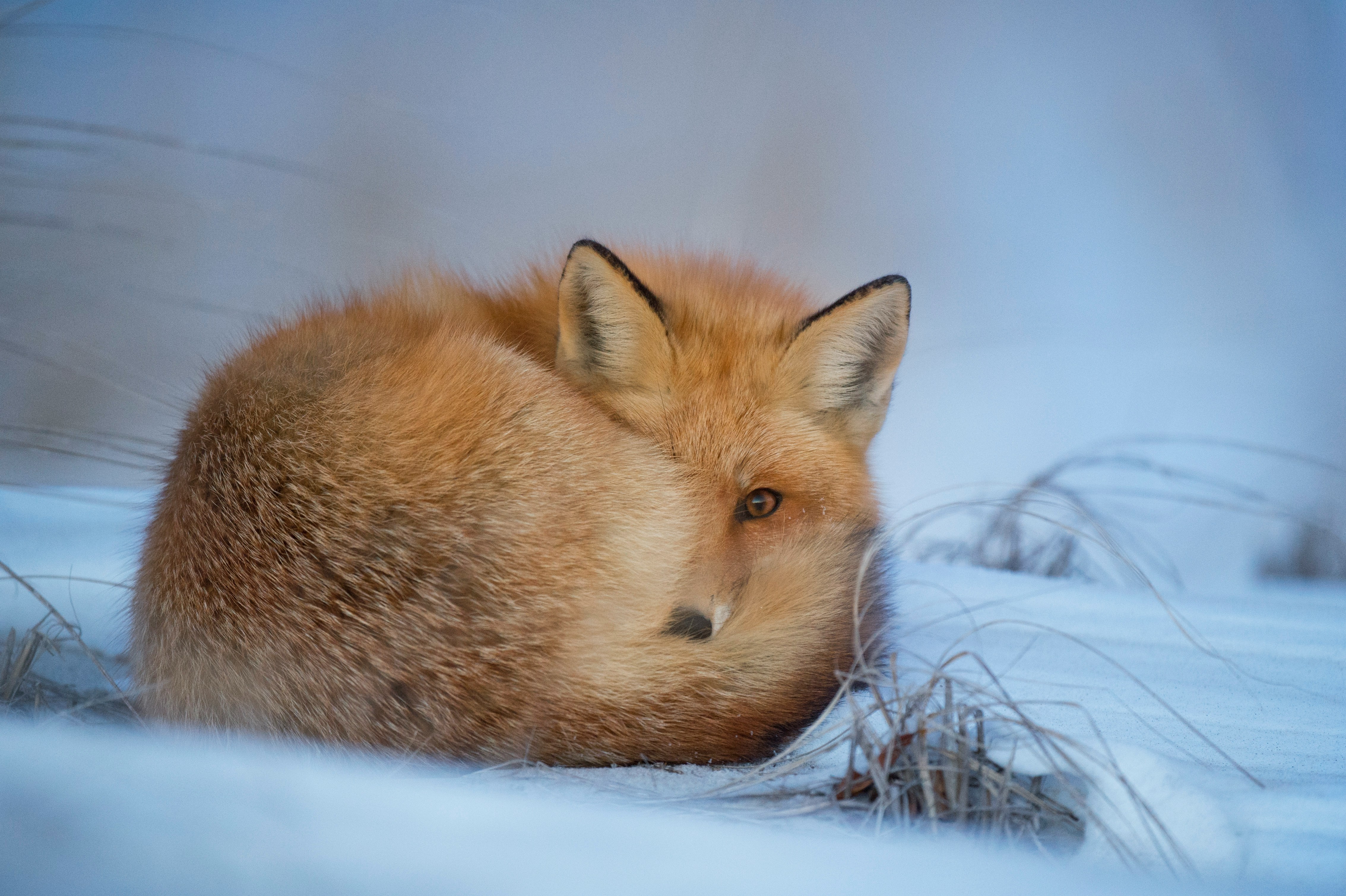
There are certain animals that are closely associated with tricksters, either as alternate forms, anthropomorphic forms, or companions. These animals are ones who share characteristics (mostly the cleverness and trickery) of the trickster (or have those traits projected onto them), like foxes, ravens, rabbits, spiders, and coyotes, to name a few.
Magical Creatures
Much like animals, there are a variety of magical and mystical creatures more likely to embody the trickster stereotype. Japanese kitsune, Celtic fae, Middle Eastern djinn, and Inuit ijiraq are just a few examples of these trickster spirits.
Gods
Nearly every pantheon features a trickster god or two. Often they’re called something else, like the god of mischief or lies, but their purpose is still the same. Loki, Hermes, Sun Wukong, Eshu, Set, Wisakedjak, Huēhuecoyōtl, and Anansi are just a few of the large number of trickster gods.
Heroes and Villains
As I mentioned before, their lack of adherence to a wider moral code often sees tricksters on both sides of the hero/villain divide. Loki happily skips back and forth over the line, while Odysseus is content to play hero, and the Joker happily wreaks havoc across Gotham.
Hybrids
There are also a lot of characters in literature, story, and myth that have a lot of the traits of a typical trickster, but not a key few. Think about Robin Hood, for example. He is proficient in disguises, constantly pulls the wool over the eyes of those trying to catch him, and works against the cultural norms of the time. But all his trickery is for a more selfless reason. He’s stealing from the rich, yes, but for the purpose of giving to the poor. That’s not to say tricksters can’t be selfless, just that it’s rarely their sole motivation. He lacks that inherent chaos we see in most tricksters.
Writing Your Trickster
The driving force of any story is change, and at their core, tricksters are bringers of change. So how can you use tricksters in your writing?
Make a Trickster
The most obvious answer is to make a trickster within your story. Stories are really just about how characters react to change: resisting negative change, adjusting to neutral change, or trying to bring about positive change. Tricksters are inextricably linked to change. So if your story feels stagnant, a trickster just might be the answer.
Think about your story, your world. Where is a place someone could push back against what’s expected, fly under the radar to accomplish something, or outsmart a stronger foe? What changes need to happen, and how could a trickster character set them in motion?

Use Trickster Traits
Using a trickster in your story can be a lot. They are chaotic by nature and very changeable, which can make it difficult to work them in believably or without derailing your entire plot because they suddenly had a hankering for chaos that day.
But you can give some of your characters a few of the trickster traits and spread out the chaos a bit. Maybe one is the clever one, and another is the one always pushing against boundaries. And don’t be afraid to spread the traits out over both sides of the conflict, too. It keeps things interesting.
Be the Trickster Yourself
Don’t forget, as much as it might feel otherwise at times, you are ultimately the one in charge of your tale. If change needs to happen, or you want things shaken up a bit, you can be that chaotic force in both form and substance. Push the boundaries of writing rules, manipulate readers’ expectations, play different roles as the storyteller.
Your writing will be all the better for it.
Who’s your favorite fictional trickster? Puck (also known as Robin Goodfellow, prominently featured in Shakespeare’s A Midsummer Night’s Dream) is and always has been one of mine, clever sprite that he is.
Until next time, word nerds!
 Kate G. Jameson
Why have I literally never heard “resisting negative change, adjusting to neutral change, or trying to bring about positive change”?? There’s so many simple ways to break down a story but I love this one!
Love your trickster analysis — I think Robin Goodfellow has to come in first place for me, too!