I got a really great question in the comments of my last Myth or Magic post (leave your own for me to answer in future installments):
Why did Disney pick gruesome fairy tales and try to make them the happily ever after versions we know? Were there no happy and well written fairy tales they could have started with instead?
DisneyFantatic35
And, well, I can’t really answer that question, as I don’t work for Disney and couldn’t begin to pretend I understand the business practices and creative processes involved in choosing and adapting fairy tales. But it sparked a really interesting research tangent for me, and rather than let that time be wasted, I thought I’d share my findings.
Because the truth is, while we consider fairy tales to be a staple of children’s literature and media today, fairy tales weren’t actually created for kids.
1. Fairy tales predate children’s literature.
The idea of having a distinct genre of books for children is a surprisingly new concept (relatively, that is), coming into being in the late 18th century. Before then, there wasn’t much distinction between stories for kids and stories for adults, but part of that was likely due to the age at which one was considered an adult being much lower. The idea of stories specifically for children wouldn’t have occurred to the people telling and writing stories. Now, of course, we break down children’s literature into seemingly infinite subcategories, each with a specific audience and set of rules.
But fairy tales have been around far longer, both in written and spoken formats. They were created as community entertainment, meant to appeal to adults and children alike. And those children were often working and well-aware of the nature of the world around them, so the authors wouldn’t have felt the need to water down any of the more serious subjects.
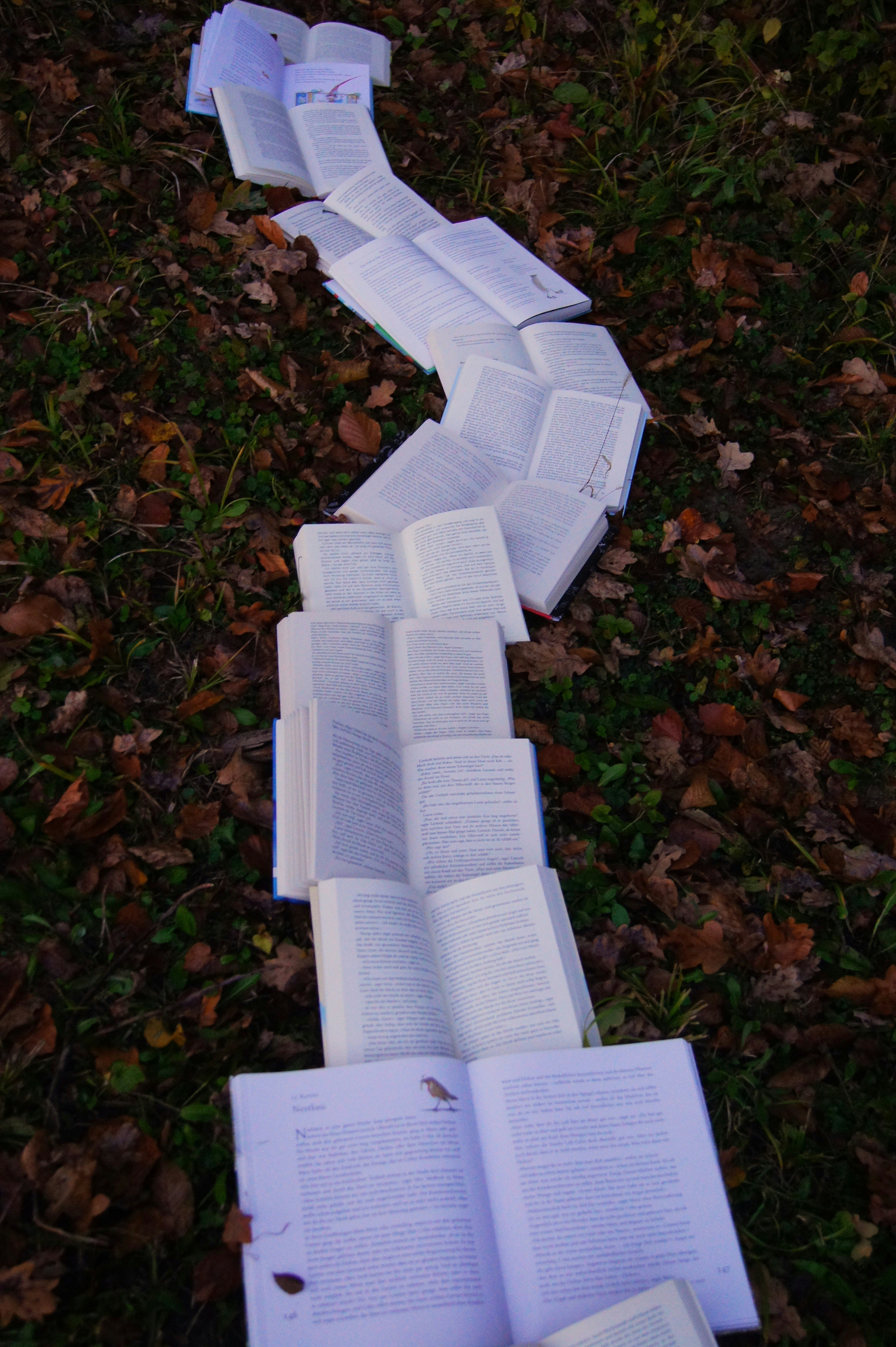
2. Fairy tales were written for adults.
Fairy tales as a genre were cemented in Paris in the late 1600s. Marie Catherine d’Aulnoy is credited with coining the name conte de fée (fairy story or fairy tale), doing so as a part of the parlor games of literature that were popular in Parisian salons. Those early fairy tale tales were bawdy, witty, and sharp, certainly not intended for children. Instead, the writers used them to critique and explore politics, marriage, and issues of the day.
Even when the Grimm Brother released their early collections, titled Children’s and Household Tales, they were dark and violent tales that hardly seemed appropriate for a young audience. It wasn’t until later publications, as they were translated into other languages, that whimsical illustrations were added and they truly began to be marketed as stories for children. Authors like Andrew Lang and Jeanne-Marie Leprince de Beaumont (who I touched on in my last post) were some of the earliest writers to start changing the stories as they collected, wrote, or otherwise published them, making them more palatable for a younger audience.
So, DisneyFanatic35, I suppose the real answer to your question is “not really.” There may have been tamer stories that Disney could have adapted, but the more gruesome fairy tales were the norm, not the exception.
Do you have any questions about fairy tales I can answer for you? Leave them in the comments below!
Until next time, word nerds!
 Kate G. Jameson
One thought on “Myth or Magic: Are Fairy Tales for Kids?”