Cinderella is, perhaps, one of the most well-known and well-loved fairy tale heroines. She’s certainly one of my favorites, with variations and versions of her featuring in cultures around the world, both ancient and modern.
But Cinderella has faced her share of criticisms over the ages and different depictions. The one I see most often is that she is passive character rather than an active one, which I can’t really argue with (I can argue with the the claim that her passivity makes her weak, but that’s a rant for another soapbox).
However, that’s not the case for every Cinderella.
There are as many versions of Cinderella as a person could possibly imagine, but I’ve collected some examples that showcase some more proactive Cinderella characters.
Bold Cinderellas
Several Cinderella-types are active participants in their romantic journeys. These characters put in the effort to find and woo their suitors and generally make a choice to reveal themselves as the princess (or very beautiful woman) that the prince (or king or handsome rich man) has encountered.
Katie Woodencloak (or Kari Woodengown or Kari Trestakk) sees the titular Katie leaving home of her own accord and leading the prince on a merry chase. She’s a servant in his palace and mistreated by him. He throws the bathwater she brings him on her, and she later dresses up for church – when the prince, awed by her beauty, asks where she comes from, she cheekily replies Bath. After another two encounters (a towel thrown at her prompts her to claim to be from Towelland and a comb creates the fictional Combland), she eventually deigns to be caught, throwing off her noisy wooden cloak to reveal the princess underneath.
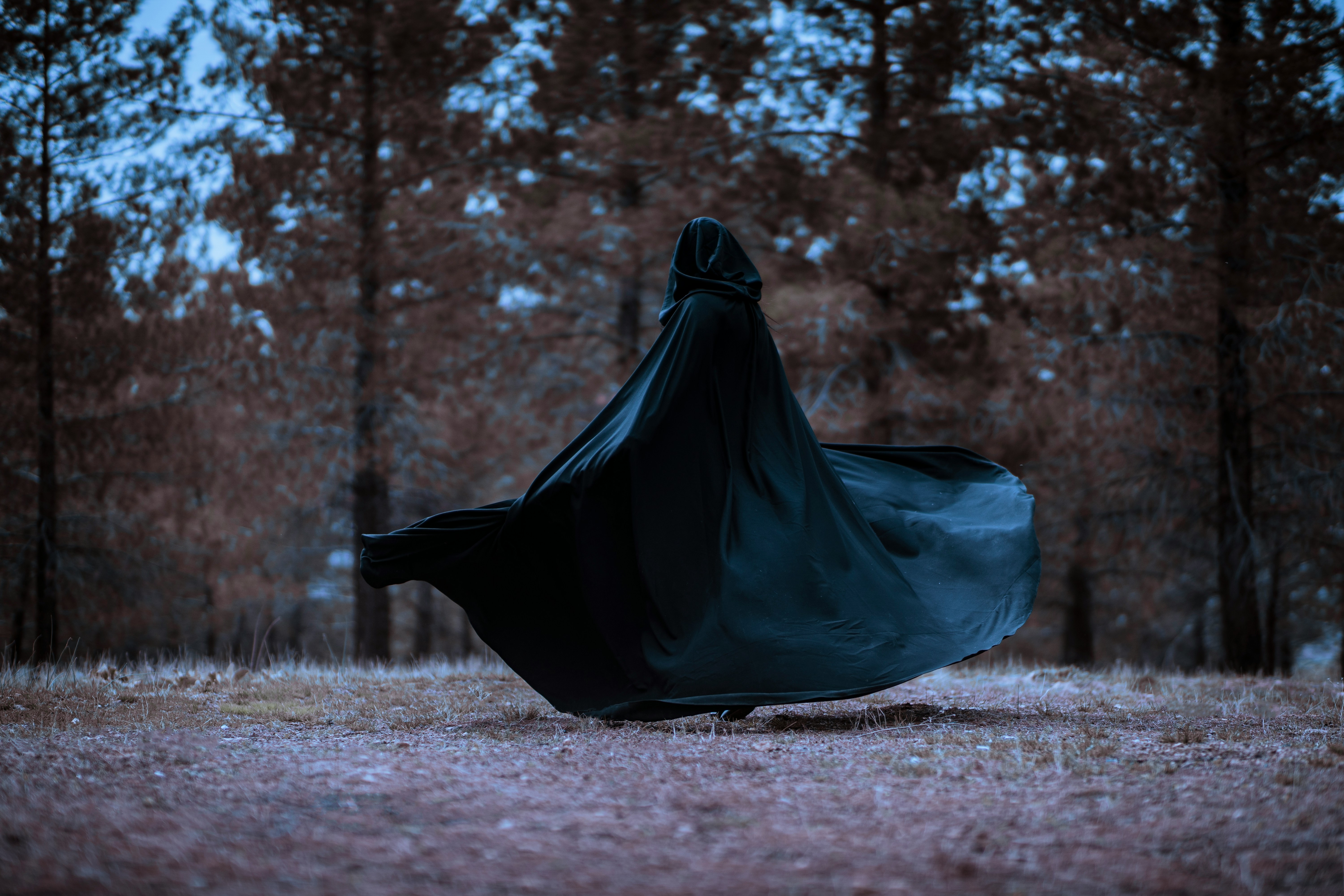
Donkeyskin follows a similar storyline, with a princess in disguise as a servant. The story makes a point that, at the critical moment of her ring falling into the prince’s food, while it may have been an accident, the author (at least of the version I’m referencing) believes she did it intentionally, knowing the prince would be happy to find the token of her love and follow it back to her.
The Wonderful Birch is an absolutely wild ride. This Russian tale begins with a witch transforming Cinderella’s mother into a sheep and disguising herself to take her place, attempting to kill and transform Cinderella, and a Cinderella who consistently outwits her to marry and live happily ever after.
Brave Cinderellas
Aside from being bold romantically, there are also brave Cinderella-types who forge their own lives and successes without romance factoring in at all (or as more of a footnote). The similarities lie more in the character’s starting situation (a bad home life with step or regular mothers and sisters who mistreat her) than in a magical transformation and going to a party.
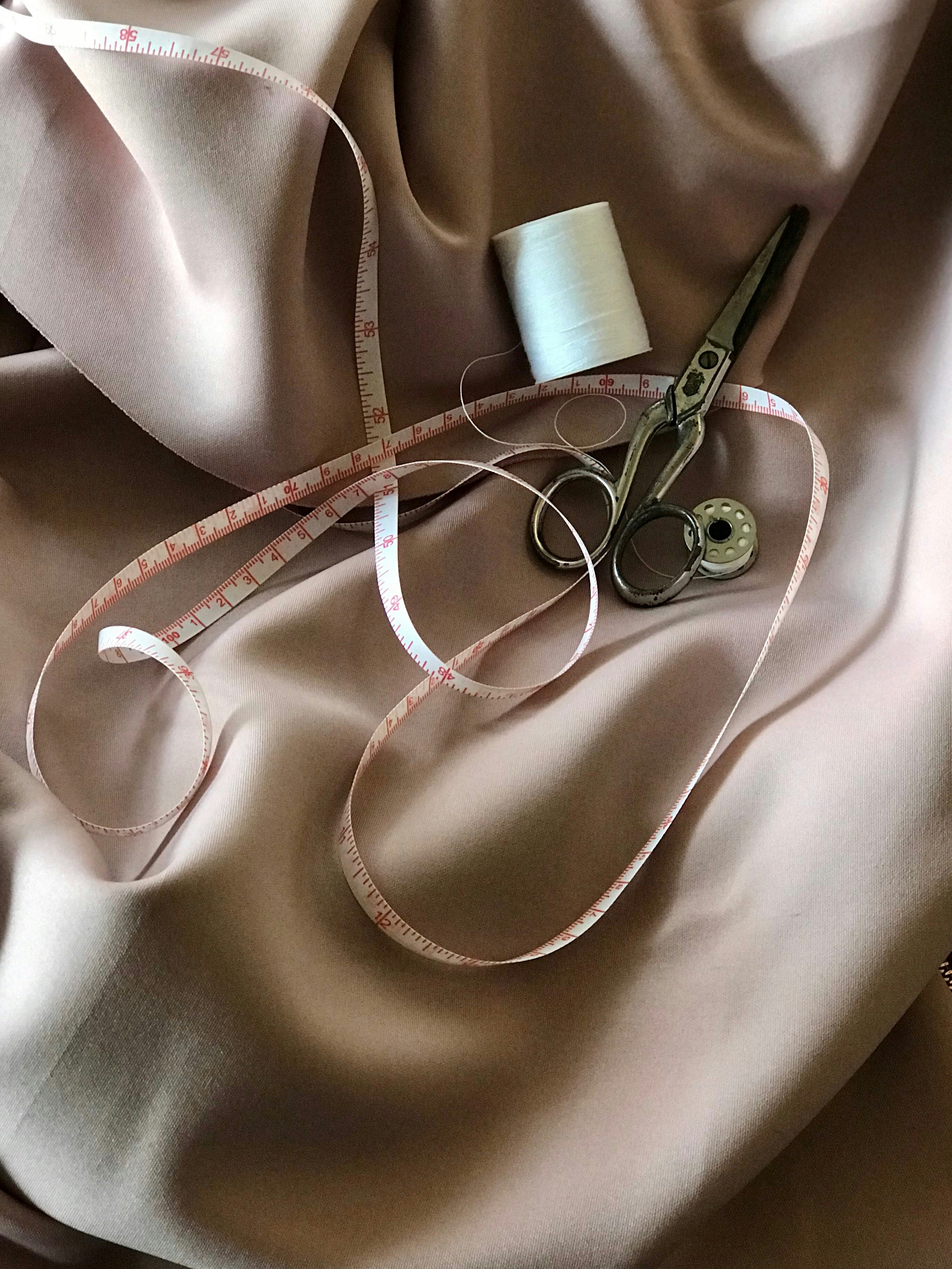
Vasilisa is a young girl who, as it goes in these stories, has a father who is often away from home and a stepmother and stepsisters who take advantage of her. In Vasilisa the Beautiful, she is eventually sent to the cruel Baba Yaga’s house to borrow fire. After earning the fire with the help of an animated doll she inherited from her mother, Vasilisa brings back a skull with burning eyes which burns out the eyes of the evil family members at home. She decides to leave and eventually ends up learning the trade of a seamstress and opening a very successful shop. Her work is so fine that it eventually catches the eye of the Tsar, who marries her.
The story of Bawang Merah and Bawang Putih (similar to one of my favorites, Diamonds and Toads) tells of two sisters, one of whom is favored by their mother and the other of whom is kind and gentle. As these stories often go, the kind and mistreated sister passes a test of some sort and gains a reward, in this case the choice of two pumpkins. She modestly chooses the smaller one, which is later revealed to be full of treasure. When the cruel sister is sent to follow the same steps, she selfishly chooses the larger pumpkin, which breaks to reveal snakes and insects. The cruel mother and sister are chased off, never to be seen again, and the kind sister, with the treasure to support her, lives a happy and wealthy life.
Bloodthirsty Cinderellas
I’ll be honest, this category was the inspiration for the whole post. There aren’t a lot of them, but there are are a small handful of Cinderellas who take action and revenge to the bloody extreme.
The Story of Tấm and Cám is a Vietnamese tale of two half-sisters. After Tấm wins the heart of the King (though, props to Cám for actually recognizing her half-sister at the festival) and marries him, her stepmother and sister, despite being treated kindly, conspire to kill Tấm. She is reincarnated as a bird, recognized by the King, killed by the half-sister (who has married the King), reincarnated again as tree which bears golden fruit (or rather, she was born out of the golden fruit), and finally found by the King again. Cám, desperate to win the King back from her sister, boldly asks how to become as beautiful as Tấm. Tấm helpfully tells her half-sister to jump into a hole in the ground and then orders soldiers to pour boiling water on her. Depending on which version you read (and how kid-friendly it is), she either dies, or she dies and Tấm turns her dead body into a fermented sauce, which she sends to her stepmother – who happily eats it, unaware of the ingredients until she finds her daughter’s bones at the bottom.
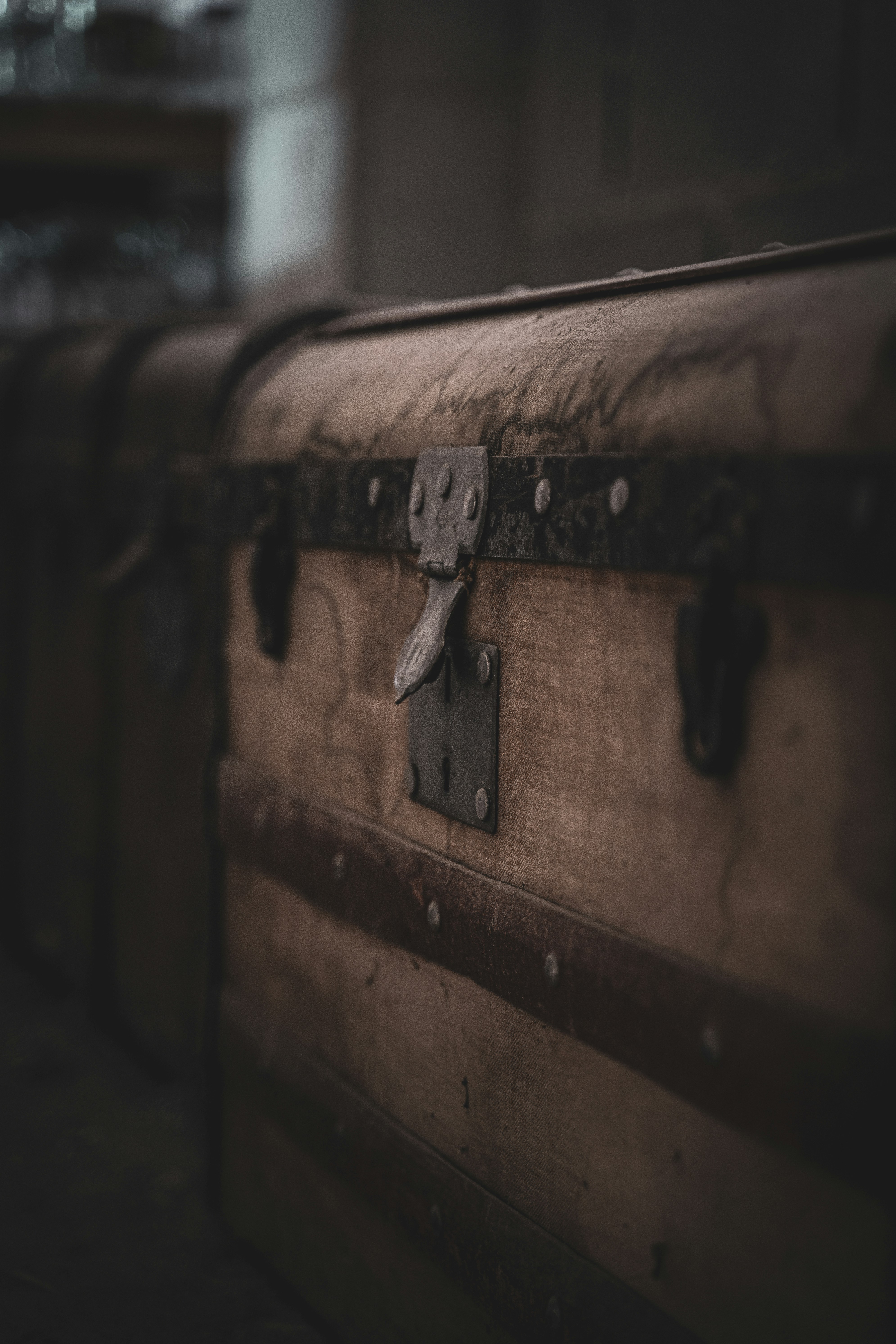
On the surface, The Cat Cinderella starts like any Cinderella story (or rather, any other Cinderella story starts like it, as it’s one of the oldest recorded versions out there). Zezolla is the daughter of a prince, and her mother tragically dies. Her new stepmother is cruel, but at least Zezolla has her beloved governess. But here’s where things change. The cruel stepmother isn’t actually the villain. Instead, Zezolla’s governess, knowing she holds the girl’s affection, convinces Zezolla to kill her stepmother so the governess can step into that role instead. Zezolla breaks her stepmother’s neck with the lid of a trunk. The rest of the story follows a more Cinderella-like structure and is surprisingly tame, since usually we see the bloodshed at the end of the story, not the beginning.
Which type of Cinderella is your favorite?
Until next time, word nerds!
 Kate G. Jameson