Spring is in the air, and it seems like the perfect time to explore a story centered on plants and growth. So let’s take a deeper look at The Tale of the Bamboo Cutter!
The Tale of the Bamboo Cutter (also known as the Tale of Princess Kaguya) is a Japanese story that shares some similarities to Thumbelina. Though the oldest manuscript of it dates back to the early 1500s, it’s been around much longer than that. Because of it’s age, and the fact that it was passed down by word of mouth long before it was written down, the author (or authors) remain unknown. It’s become a staple of Japanese culture, and retellings of the story have made their way around the world.
The Story
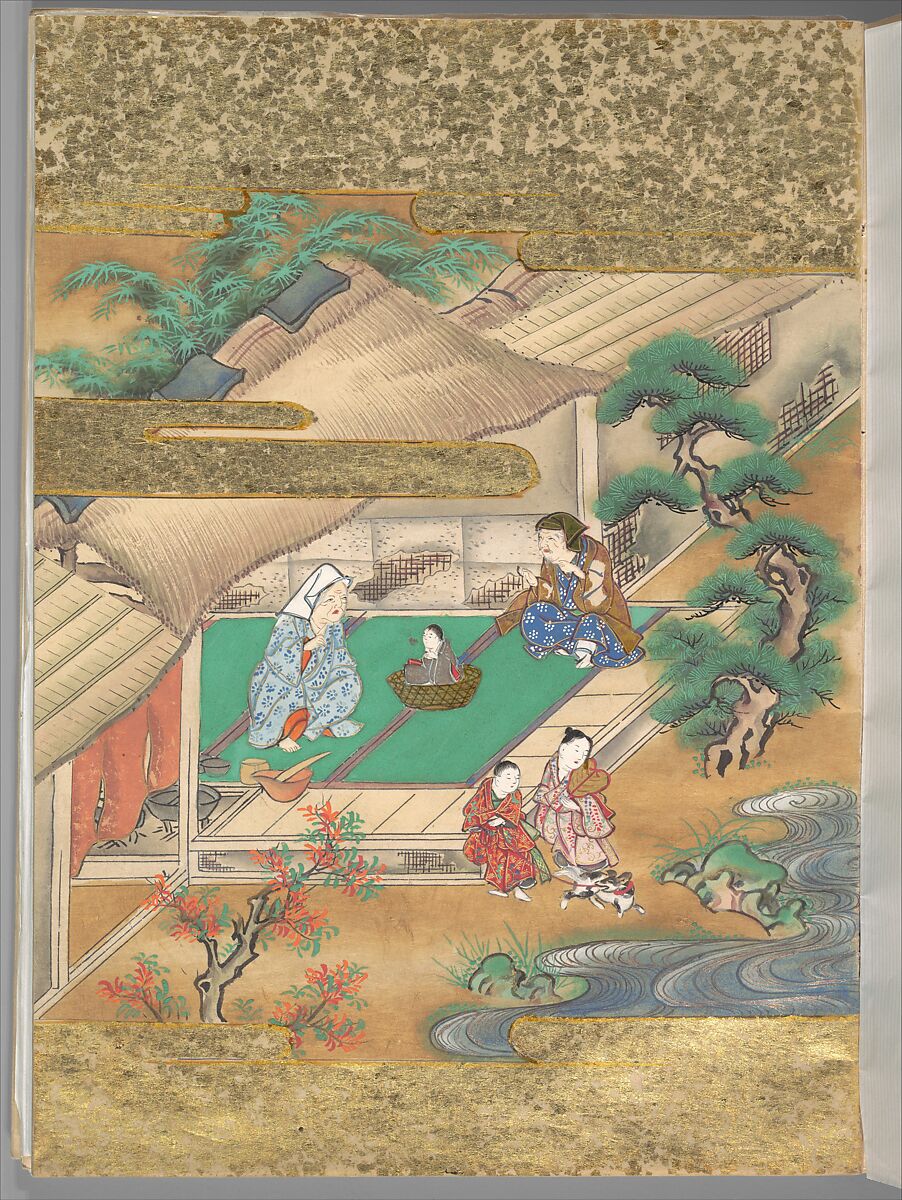
A bamboo cutter, in the forest at work one day, finds a stalk of bamboo that is glowing. Upon further investigation, he discovers a girl, only three inches tall, inside the hollow stem. He brings the girl home, and as he and his wife are childless but have always wanted to be parents, they adopt the girl as their own. Over the course of three months, the girl grows to the size of a full grown woman. She quite literally fills their house with light, and her beauty is beyond compare. They call her Kaguya-hime (which most seem to translate as Shining Princess).
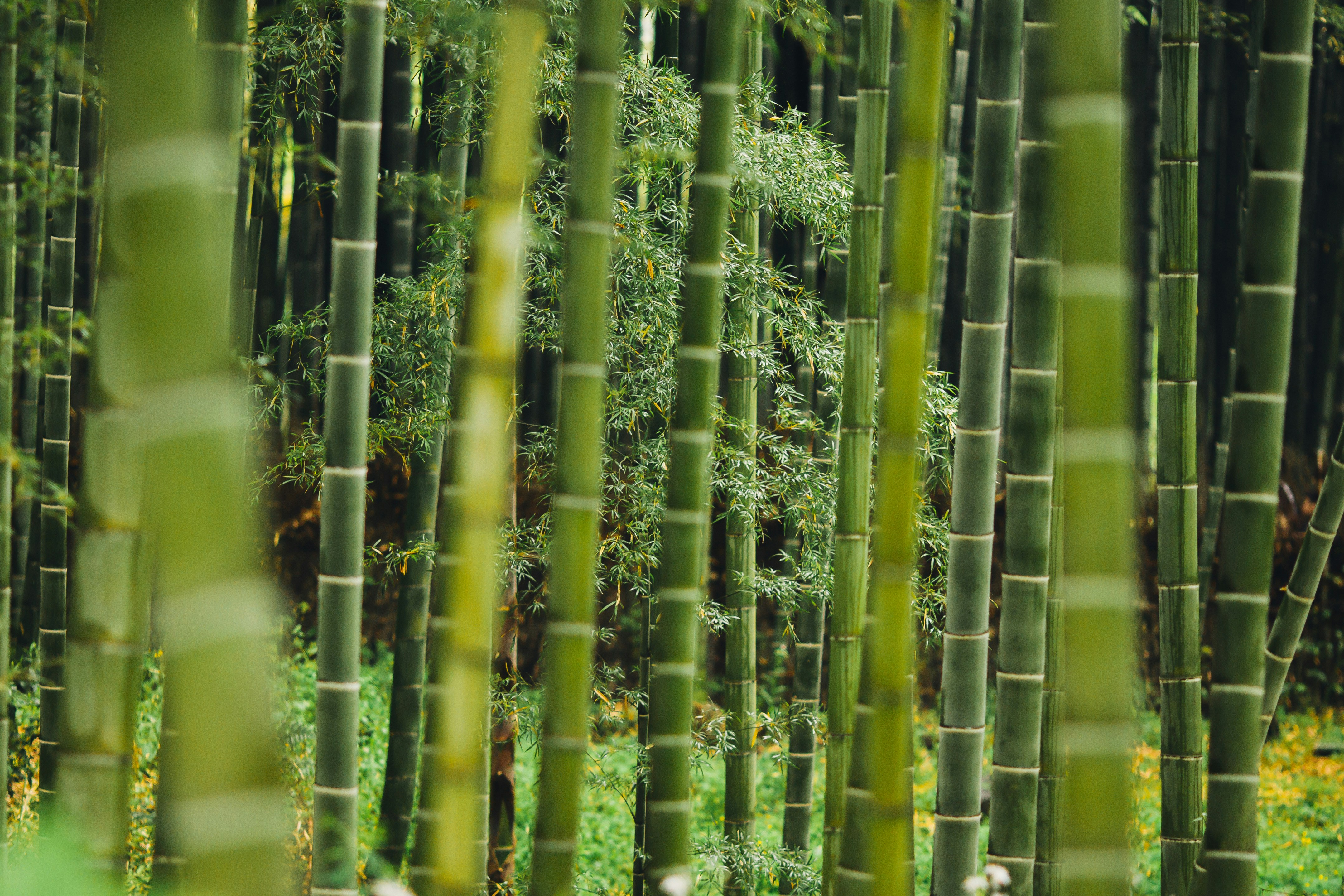
The bamboo cutter sometimes finds gold and other riches in the same grove (stand? bunch?) of bamboo where he found Kaguya, and their family soon becomes wealthy. Despite their rise in station, Kaguya is kept quite sheltered, hidden from those who might be overcome by her beauty. Still, word of her looks spreads, and before long, Kaguya and her parents are fending off a bevy of unwanted suitors.
Five noblemen (an assortment of princes, ministers, and counselors) persist more than the rest, and the bamboo cutter is finally able to convince Kaguya to give an answer beyond “no”. He asks what she’s looking for in a potential spouse, since she’s turned away every offer for no discernable reason. Kaguya (who believes herself to be quite plain) explains that she fears fickleness – that she could never marry someone unless she was convinced of the sincerity of his feelings. “But how,” the suitors ask, “are we supposed to do that?”
Kaguya sets each of them a task to retrieve a unique and legendary item, though she later explains to her father that she intends them to be impossible feats. She still doesn’t want to marry, but because of her father’s urging, she now needs an excuse to turn the suitors down. Three suitors produce counterfeit items (two do so knowingly, one has been tricked himself), one suitor dies in his attempt, and the last abandons his task out of fear.
Despite all this (or maybe even because of it), the emperor hears of Kaguya and makes his own trip to try and see the famed beauty. He makes his own offer for her hand, which is turned down as all the rest were. In the course of his conversation with her, Kaguya reveals that she was not born on earth, which explains some of her resistance to the idea of marriage, as she expects to return to her true home at some point. The emperor eventually resigns himself to disappointment and leaves, but the two stay in contact through letters.
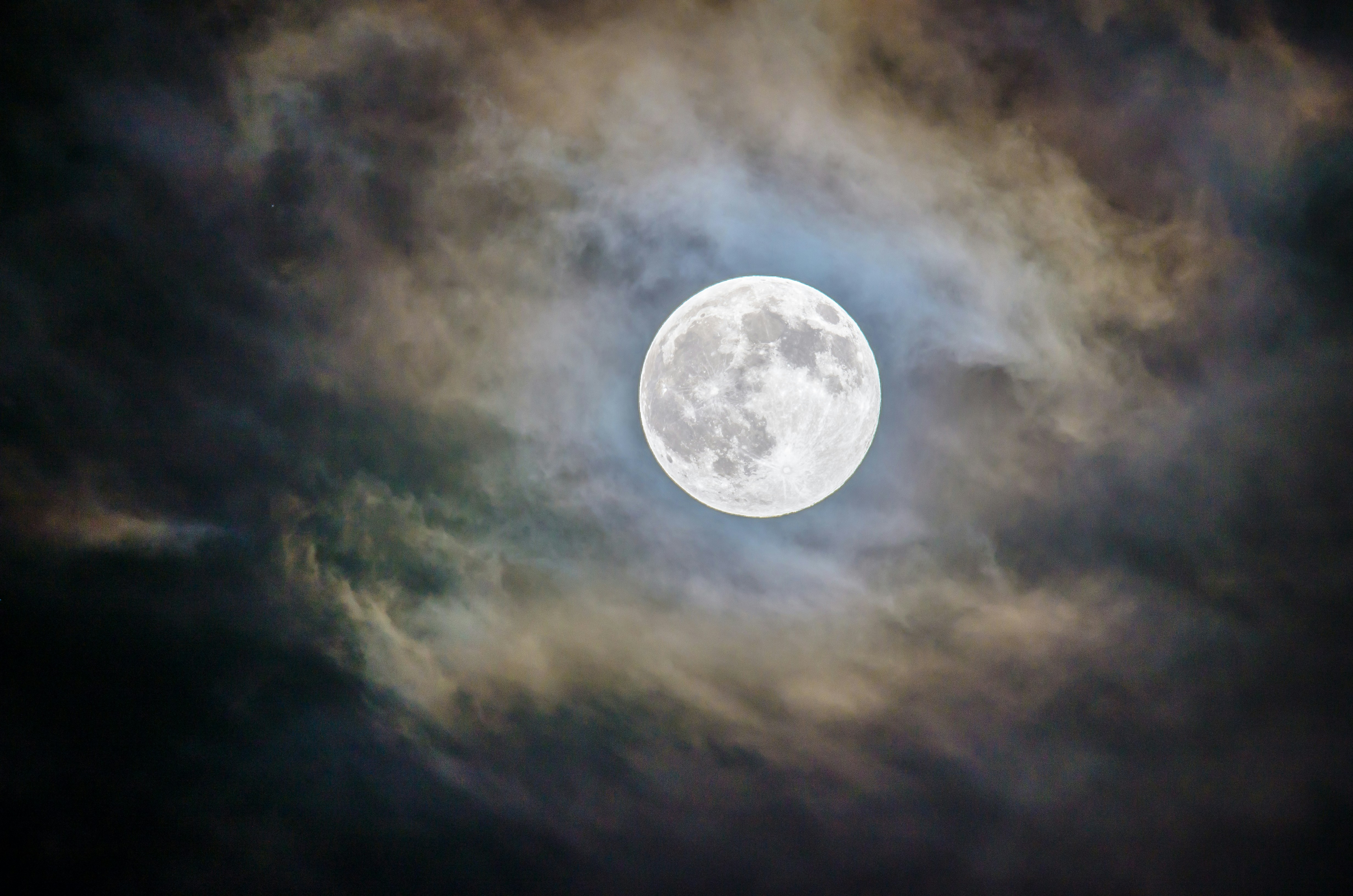
More time passes, and slowly, Kaguya grows melancholy. She spends her time weeping and staring up at the moon. Her parents finally convince her to share what’s wrong, and what they learn is shocking: Kaguya is from the Palace of the Moon. She hesitated to tell her parents not because she wanted to keep it a secret, but because she knew it would hurt them. Because it’s not just news that she isn’t of earth, it’s the added knowledge that her time on earth is coming to an end, as she is soon to return to the moon.
All three are saddened at the imminent parting. Kaguya herself begs the moon to allow her to stay longer. She herself is immortal, so she just wants to stay on earth for as long as her adoptive parents are alive and care for them. Then comes the final twist: Kaguya’s time on earth is a punishment, and therefore her request is denied.
The emperor hears all this as well, and he and the bamboo cutter work to fortify their home. The emperor sends guards, and Kaguya is touched by the care they show, even as she believes they won’t be able to stop the celestial beings who will be coming to retrieve her. Sure enough, when the celestial beings arrive, they strike the guards weak and senseless, only able to watch helplessly as Kaguya is taken away. Kaguya writes letters to leave with her adopted parents and the emperor, including in the emperor’s note a small bit of an elixir of immortality. As she’s taken away, a cloak of feathers is put over Kaguya that removes her memories of her time on earth and removes her empathy, pity, and grief.
The story ends pretty tragically. Kaguya, now no longer attached to earth or any of the people on it, leaves without looking back. Her parents are struck ill with grief, bedbound in the wake of their daughter’s departure until their death. The emperor also grieves the loss and, refusing to make use of the elixir she sent him, he instead sends men to bring the elixir and her final letter to him to the top of the mountain closest to heaven (which I take to mean as the tallest one, though I could certainly be wrong) and burn them. The mountain in question was actually a volcano, Mount Fuji, and the story is the explanation for the smoke at its peak.
Fun Fact #1
The story of Kaguya is a type of a long-form fiction called monogatari. In fact, it’s considered the oldest story of that form, with experts dating it back to the Heian period (794-1185).
Fun Fact #2
Kaguya requests a different item from each of her initial five suitors: Buddha’s stone begging bowl, a tree branch made of gold and silver and dripping with jewels (which grew naturally, not something man-made), a robe made of fire-rat fur, a jewel from a dragon’s neck, and a swallow’s easy-delivery charm. All of them were mere rumors, and none of them could be found in Japan, sending the suitors abroad to track them down.
Fun Fact #3
The ‘sin’ Kaguya is being punished for is never revealed, but it turns out that the riches in the bamboo that the bamboo cutter found were essentially payment to care for her while she was on earth. The punishment was the very scenario we saw play out: Kaguya would grow attached to the earth and her family there, only to have to leave it all behind.
Recommendation
I haven’t actually watched it yet, but in the research for this post, I discovered that Studio Ghibli made a movie version of this story called The Tale of The Princess Kaguya (2013) that I am dying to watch.
If you have a favorite version of this tale, let me know in the comments below!
Until next time, word nerds!

