That’s not how it happened in the book.
It’s the quintessential complaint of booklovers everywhere. Show us a movie or TV show adapted from a beloved book, and you’ll be hard-pressed to find someone with no criticisms or hesitation in voicing them.
Some of that can probably be chalked up to a possessive sort of nostalgia, where the original is the only true version and any attempt to adapt it will end in a mediocre knock-off at best and a piece of media any true fan refuses to acknowledge at worst.
If you’ve followed me for any length of time, you might see the snag. I write fairy tale retellings. The cornerstone of my writing has been taking old stories and twisting them, rewriting them, redoing them. So it’s safe to say I like a good adaptation and retelling, but I also have opinions on how they should be done. But I’ve never really thought about putting those opinions (more gut instincts and reactions, really) into words and figuring out why I think the way I do.
A Tale of Two Tellings
There’s a reason this has been on my mind lately, and it has to do with two pieces of news concerning the same source material: The Odyssey. The new Christopher Nolan movie releases today, and it was recently announced that Epic: The Musical is getting an animated movie. I am very much looking forward to seeing the Nolan movie, and I’ve been obsessed with Epic for more than a year now, so I’m stoked.
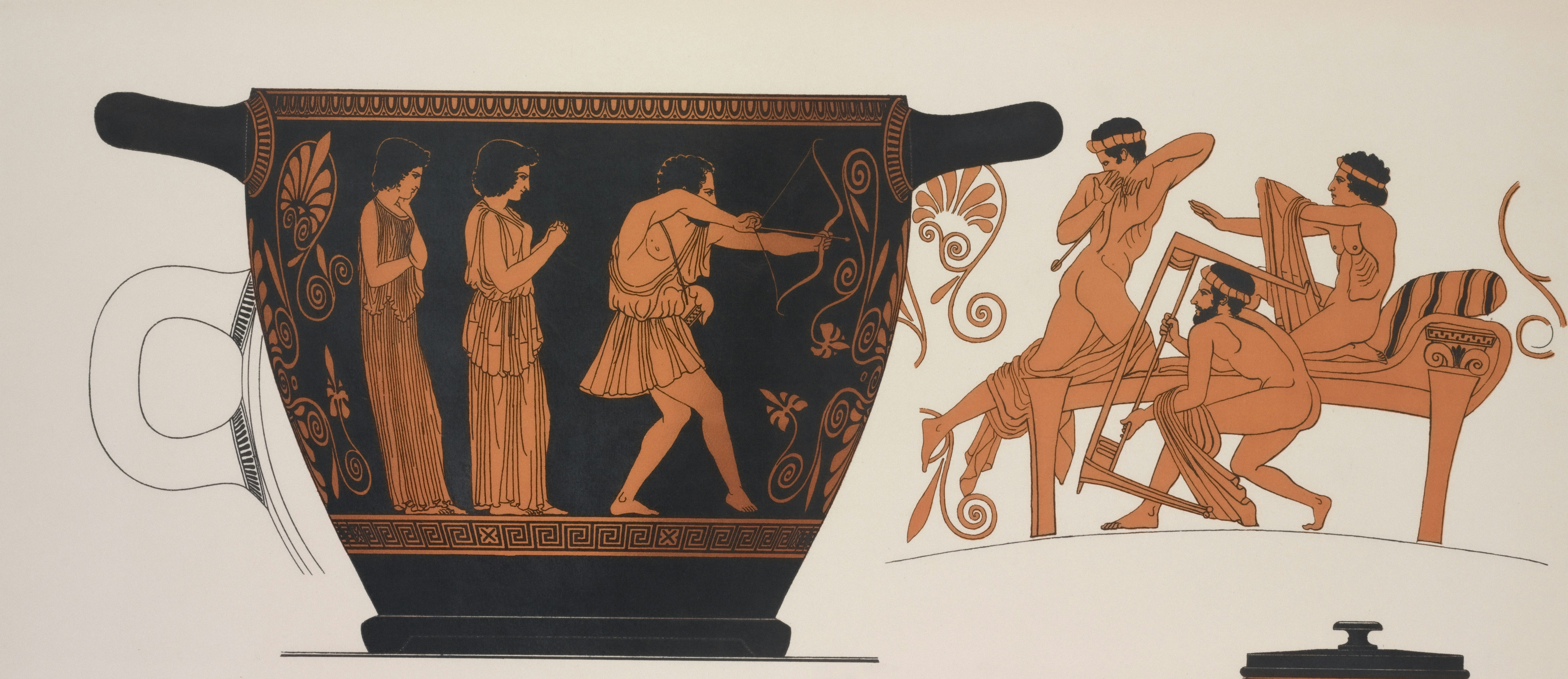
That being said, they are two drastically different approaches to telling the story of Odysseus. Nolan’s film is a more direct adaptation, though he’s talked about approaching it with the goal of adding to it. Epic’s creator, Jorge Rivera-Herrans, has been very upfront about the fact that his musical adaptation is really more of an “inspired by”, allowing him to take much more creative liberty.
The Disney Dilemma
On the other hand, I’ve made no secret that the recent spate of Disney live action remakes in the last decade absolutely infuriate me (with a few exceptions). Without getting on my soapbox, my main complaint has been that there isn’t a purpose to most of them. Other than an added scene or two, they’re almost shot-for-shot recreations of the movies they’re supposedly ‘remaking’. Nothing new, nothing improved, and honestly, not as appealing visually.
But at the same time, those animated fairy tales I love so much are, themselves, older stories adapted and retold in animated form. Some of them are vast departures from the original stories, yes, but some of them, especially the earlier ones, stick very close to the source material.
The Way I See It
As I’ve been putting this post together, I’ve come to realize that I’ve been viewing adaptations and retellings as fundamentally different things. To me, adaptation has meant a change in medium while maintaining the story. Taking a book and turning it into a movie or a TV series. Taking a film and putting it on a stage. Keeping as much of the story as originally created and seeing it through a different lens.
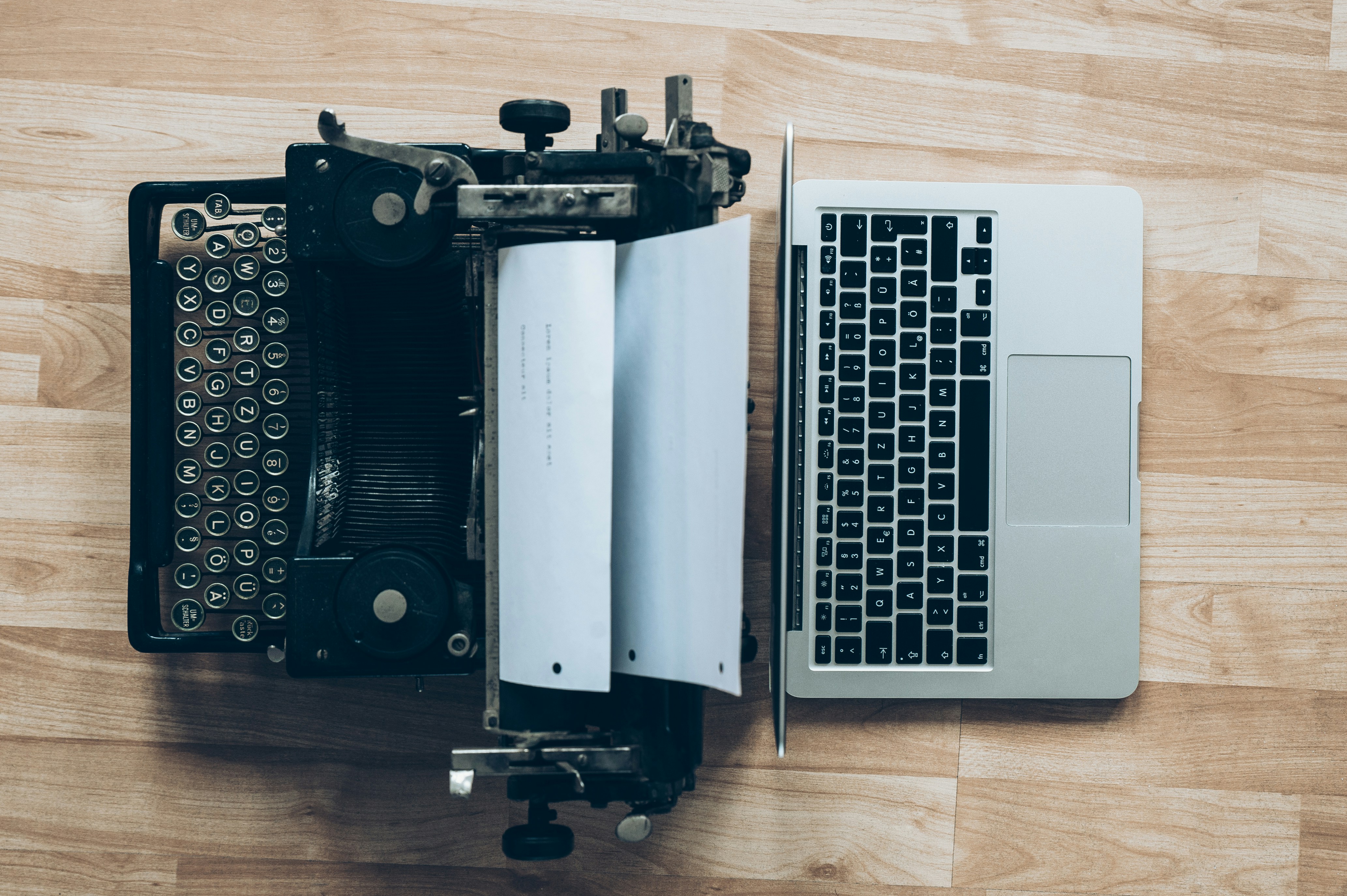
Meanwhile retelling has meant changing elements of the story itself. Pride and Prejudice in the modern day. A Wicked Witch who actually isn’t a villain. Cinderella but about one of her stepsisters. The story you know with a twist.
Once I put that into words, I thought I had made a grammatical error. After all, adapt means to change or modify, while retell defined as repeating. Did I have it backwards?!
Maybe? But not as much as I thought.
See, “adaptation” is specifically change reflecting or reacting to circumstances. It’s “modification of a thing to suit new conditions.” Which actually fits my thought process perfectly. When a book is turned into a movie, there have to be changes, by virtue of changing from written word to spoken word and observed actions. A good adaptation, in my opinion, isn’t necessarily one that tries to recreate the original, but one that keeps to the same story beats and thematic elements, showing them in a different way.
Retelling – well, that word still literally means “to tell again”. But I think there’s something to be said for the history of oral tales, if you’ll bear with me for a quick rabbit trail. Stories that were shared orally and not through written word were constantly changing. Some of the changes were minor, different ways people worded things, or adjusting the setting to be local rather than a faraway place. But some of the changes were much larger, though they kept the same thematic elements and even some plot points. Just look at how many different versions there are of the Cinderella story. Her name isn’t always Cinderella, she doesn’t always have glass slippers or a fairy godmother, but there’s not doubt that these stories are all connected. Because when stories are told over and over, they are changed through the repetition.
Does that make sense? Or am I just trying to justify my internal logic?
This post has felt a little scattered, and I’m not sure I came to any real conclusions, but I had a lot of fun diving deeper into my own mindset!
Do you think there’s a difference between retellings and adaptations? And do you like one more than the other?
Until next time, word nerds!


I have about fifteen drafts of a rant concerning the live-action Cinderella and why it works, versus all the other Disney live action remakes — and currently they’re way more scattered than this post! Thank you for sharing your thoughts on “adaptation” versus “retelling,” I like the definitions and hadn’t found a way to distinguish them yet.