“The Ugly Duckling” is one of those stories that most people seem to know, but very few have ever actually read.
Until I started this post, I was one of those people. I’d probably read a picture book version as a kid, and I’d seen the odd short cartoon version, but I was surprised to find there was more to the story than I thought.
This Hans Christian Andersen tale was first published in November 1843 in New Fairy Tales. First Volume. First Collection. alongside “The Nightingale” (a favorite of mine!). While I happily provide a summary (and my own commentary), I of course recommend you read the original as well.
The Tail
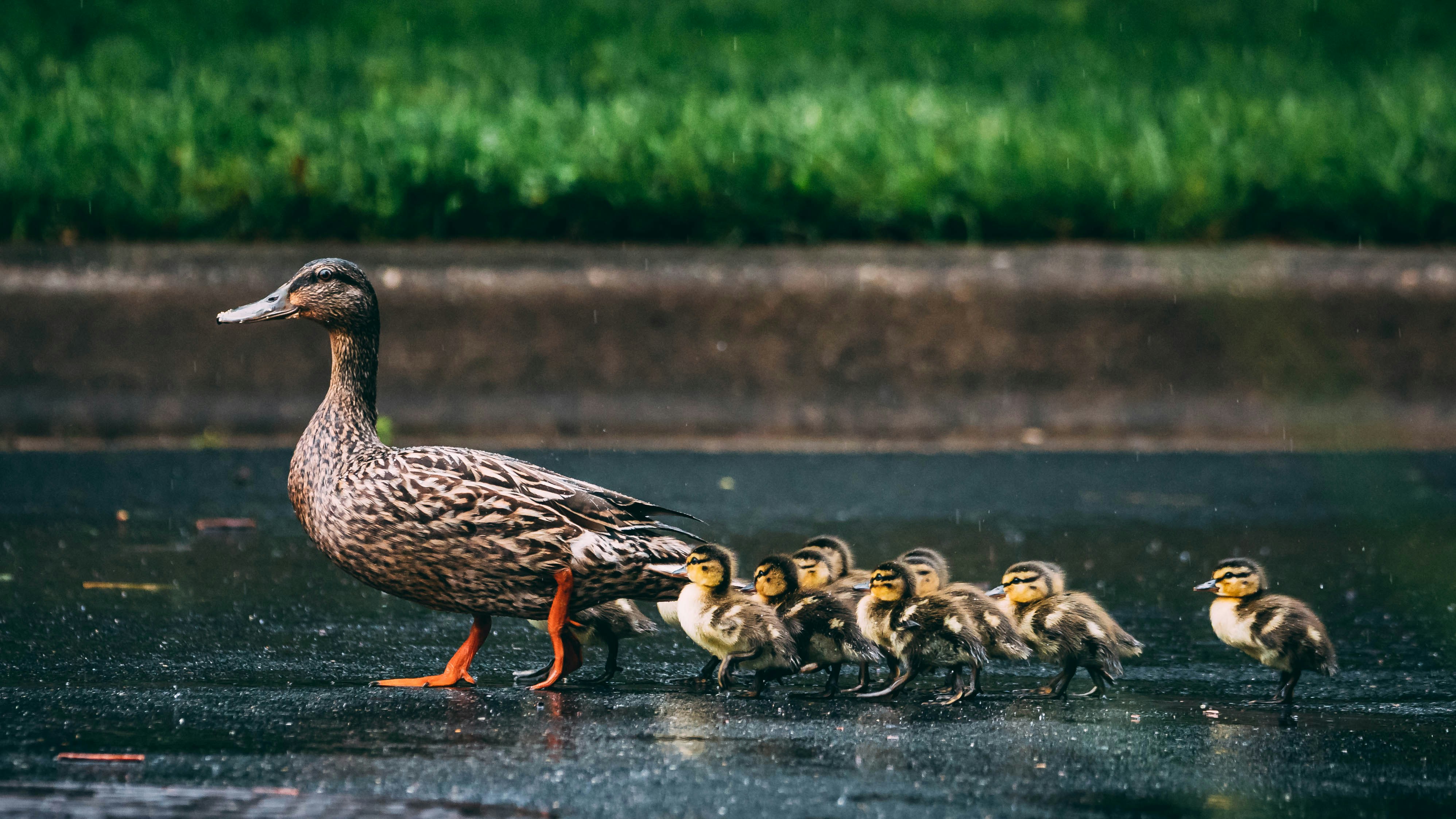
On a rather picturesque summer day, a mother duck is in her nest, sitting atop her eggs. All but one soon hatch, and she’s left with the largest (and in her opinion, most troublesome) egg. Another passing duck tells her it’s likely a turkey egg; he himself had been fooled when younger and hatched several baby turkeys. Much to his chagrin, the turkeys refused to swim. The old duck encourages the new mother to leave the large egg behind and focus on her hatched ducklings instead. Eventually, the large egg does hatch, and what comes out looks nothing like the other ducklings. The mother isn’t sure if it’s a turkey or a duckling, and she decides the best way to find out is to take her babies for a swim. When the mystery baby swims as well as the ducklings, she decides that it must be a duckling after all, and one that looks sort of like her, for that matter.
As the duck family settles in to life on the farm, the ugly duckling is treated badly by all. He’s made fun of, pecked at, and even his mother wishes he were miles away. Eventually, he can stand it no longer, and he runs away. He encounters wild birds, including other ducks and geese, as well as hunters with their dogs. It’s worth noting that while many of the creatures the ‘duckling’ encounters comment on his ugliness, not all of them do. And not all of them treat him poorly. Yet he’s unable to make his home among any of them.
During a storm, the ugly duckling finds a ramshackle house with an old woman, a cat, and a hen living inside. They take the duckling in, hoping it will lay eggs. They are disappointed to find him a male, and before long, the proud natures of the cat and hen drive the duckling off (though never once is the duckling’s appearance brought up as ugly and off-putting, in an interesting change – but other insults abound).
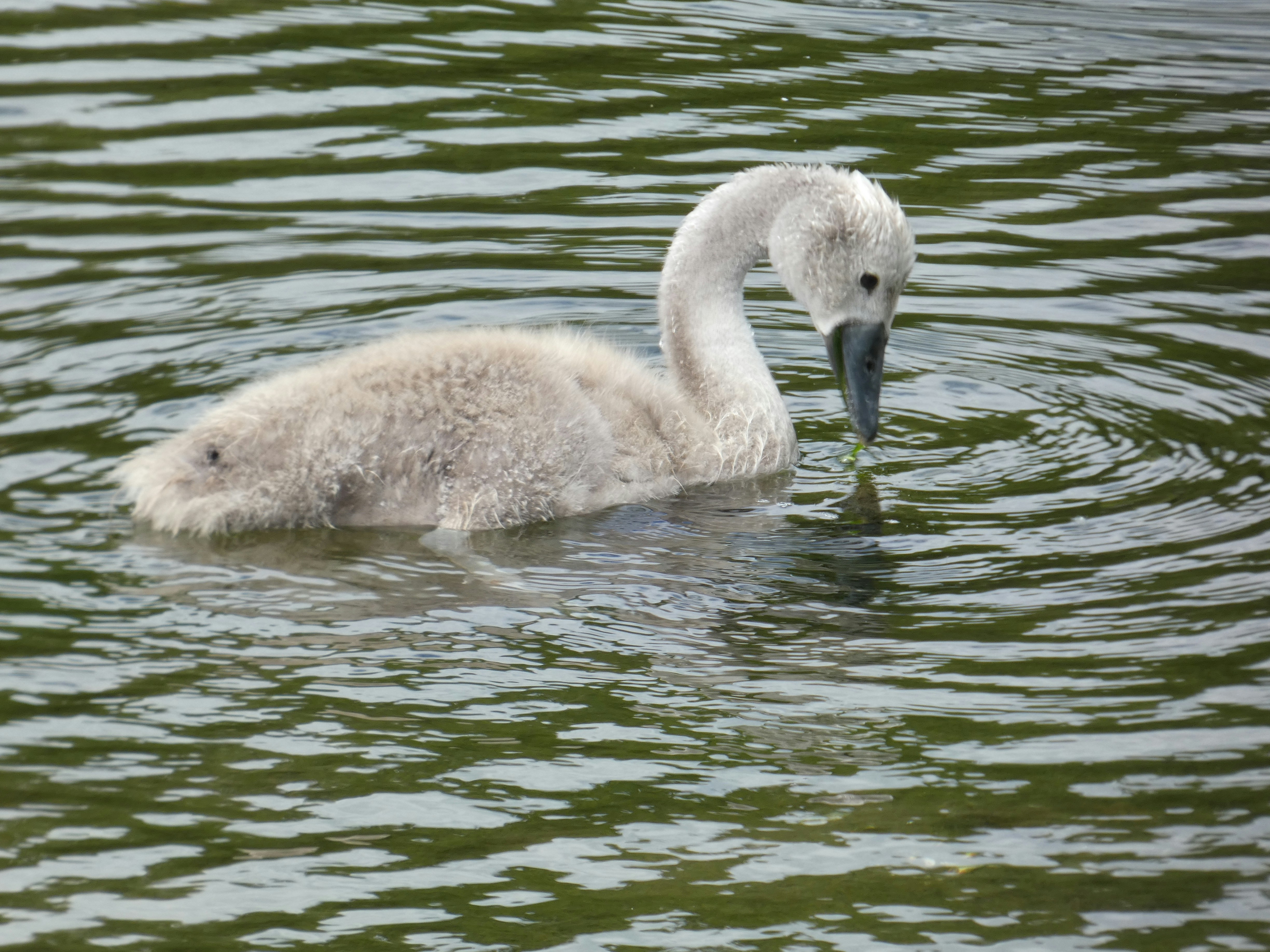
As autumn comes and goes, the duckling finds no place of acceptance. Instead, he’s met one day by the most wonderous sight he’s ever seen: a flock of graceful swans flying toward the horizon. He’s overcome at the sight of them and resolves to spend the miserable winter alone, wallowing in the sad truth that his ugliness will keep him from ever being accepted. A farmer finds him in the snow one day and brings the duckling home, but the duckling is startled by the farmer’s children and makes a terrible mess of the house before finally flying off, once again alone.
When spring comes, the duckling is stronger physically, but less so mentally. When he spies a trio of beautiful swans, he decides to approach them, preferring to be pecked to death by the beautiful birds over the slow torment of mistreatment his life has been so far.
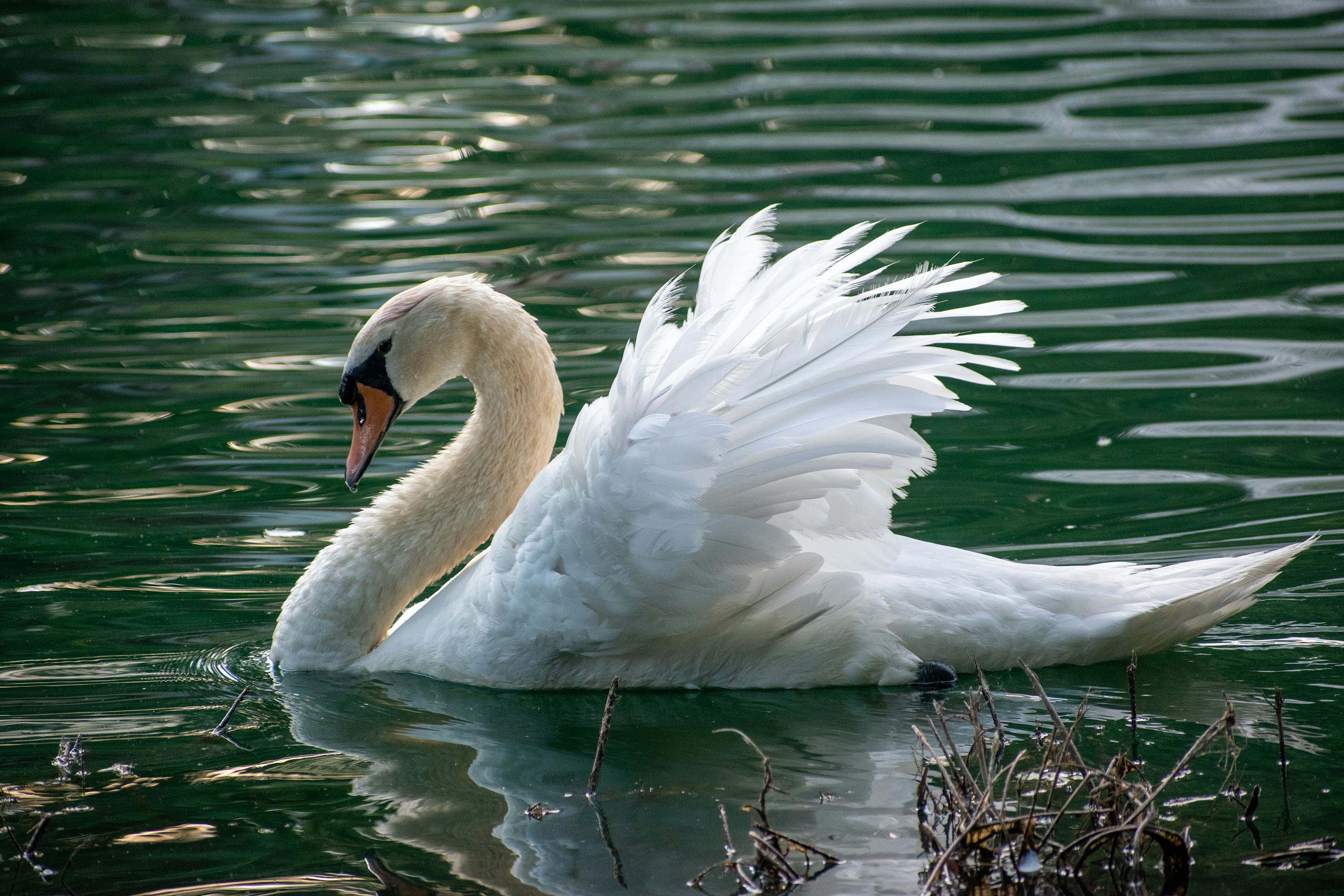
As he approaches the swans (and his own imminent demise, at least according to his mind), he catches sight of his reflection in the water and is shocked to see a beautiful swan. The other swans happily welcome him in their midst, and local children loudly admire them, declaring the newest swan to be the prettiest one.
Fun Fact #1
“The Ugly Duckling” has been adapted into illustration, animated film and TV, books, a musical, and even an opera.
Fun Fact #2
Hans Christian Andersen is thought to have heavily related to the ‘duckling’ main character of the story, often being described as a physically awkward person.
Fun Fact #3
Though it’s not been confirmed as far as I can tell, Andersen was once rumored to relate to the misfit baby bird for another reason – some believe he might have been a bastard son of King Christian VIII of Denmark.
What’s your favorite literary transformation? Leave it, and any other fairy tales you’d like to see me cover, in the comments!
Until next time, word nerds!

