World-building is one of my favorite parts of writing (and DMing – insert shameless plug for my new podcast style YouTube channel about D&D and storytelling). As a fantasy writer, one of my biggest challenges (but one I enjoy immensely, make no mistake) is creating magic systems.
There are a lot of really great resources out there, and I encourage you to do your own research to find what works best for you, but I thought I’d give you a peek behind the page at my own process.
About two and half years ago, I wrote a blog post called Making Magic (Systems), which explored this topic (and, I’ll be entirely honest, I forgot about it until I has halfway through writing this post, but as I like my new, expanded list of questions rather than the two I used there and I procrastinated to the point of not having time to find a new topic, this is what you’re getting this week. Ah, the life of a creative).
I approach building a magic system by using 6 questions. Well, they’re more categories of questions, as there are layers and clarifications. But “6 Basic Questions to Build a Magic System” just sounds punchier, don’t you think?

1. Who and How
The foundation of a magic system is the people who use the magic. Can anyone do magic, or only some people? Is it an innate skill, or do you learn it through study (or is it a mix of both)? Does using magic come with perks or drawbacks? Figuring out these details helps with nailing down characterization for magic users and approaching some of the overarching plot points.
2. General and Extreme
As a fun thought exercise, I like to ask myself “What’s the day-to-day use of magic, or magic in it’s most generic form? And what’s the most extreme way magic can be used?” It both helps me envision the scenes I’m writing and explore the limits I want to set for how magic can break the plot – I mean, how magic can be kept from being overpowered.
Think about the movie Aladdin. We see that magic plays very little role in everyday life (dismissed as legend or fairy tale), but as soon as it’s introduced, we (and our protagonist) are immediately told of the three main things magic can’t do. You don’t have to be as obvious about it in your own writing and creating, but it’s a good idea for you to know those things.
3. Cost and Consequence
Some more questions to consider have to do with the cost of magic on multiple levels. Does using magic enact a physical or mental drain? Is there any sort of stigma or legality that might need to be navigated? Maybe your magic requires a focus like a wand, or other paraphernalia that cost money.
Christopher Paolini’s Inheritance Cycle uses magic that drains the caster physically by a consistent and measurable amount: Whatever effort it would take to complete an action physically is the amount of energy it takes to do it magically instead. It’s a simple one-to-one ratio, which builds in natural limits based on the spellcaster’s own strength.
4. Look and Feel
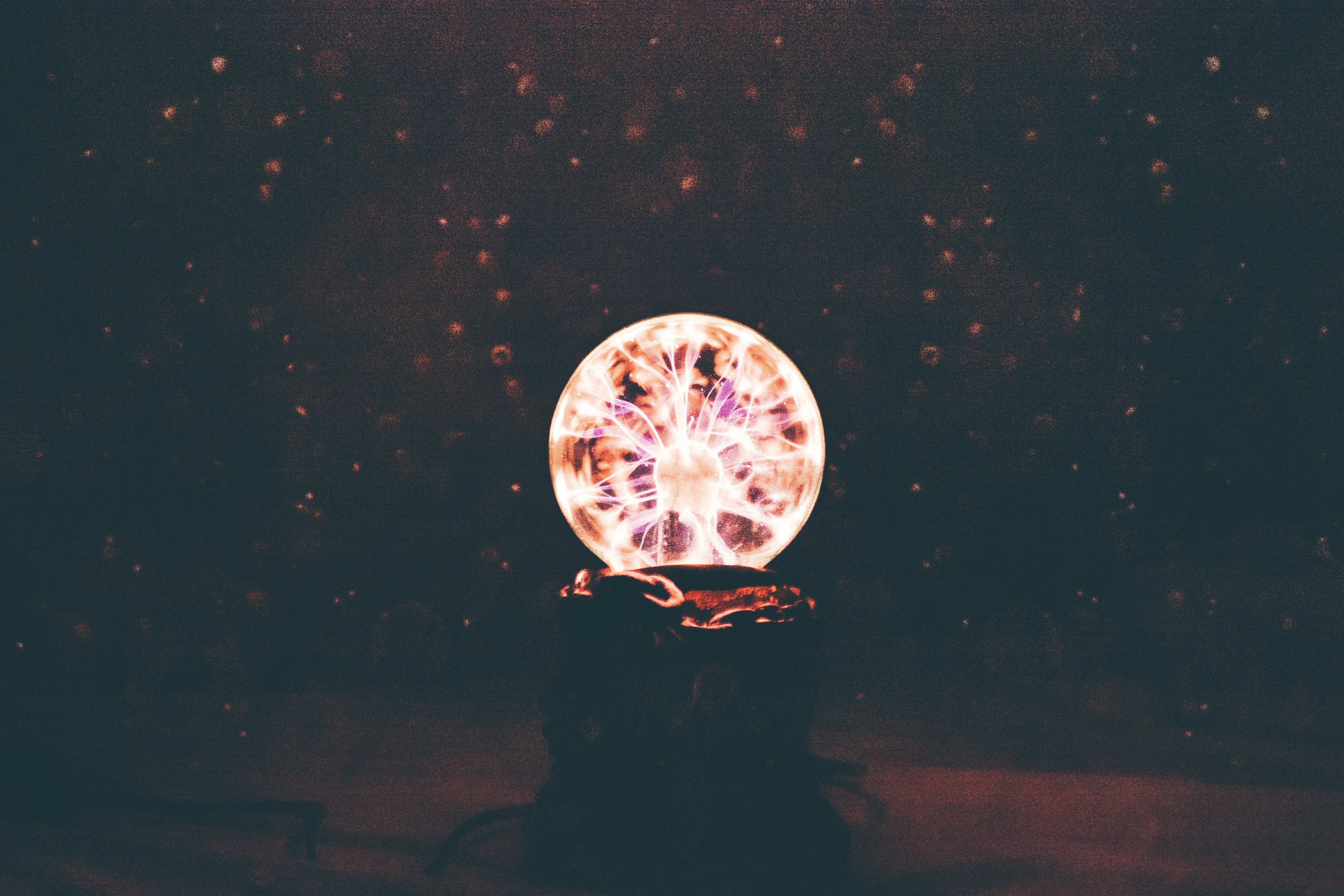
This is purely for the flavor, for enhancing the storytelling aspect, but think about what magic looks like when it’s cast, what it feels like for a character to channel it, the way it appears in the setting. It’s that extra sparkle that will make your story shine and your magic system stand out from others.
Avatar: The Last Airbender does a really great job with this. Using distinct movements (and even martial arts specifically) to cast magic isn’t a new idea, but Avatar really nailed the visual aspect, even going so far as to give different styles to the different elemental benders. It made things feel grounded and like they had a deep history.
5. Role
This question is toward the end of this list, but it’s usually one of the first I try to answer. “What role does magic play in my story?” Is it more for background and scene-setting, or will it be vitally important for my characters to use and understand? This ties into the concept of hard and soft magic systems, but I also find it useful as I plot out my book to know how much magic can (or should) be used to solve problems.
My current work-in-progress has presented some challenges for me in this aspect. Originally, I had envisioned it as more of a cozy fantasy, with magic as a background feature, a catalyst for parts of the plot but not central in any way. But then I decided one of my main characters was a magician and a scholar, so I suddenly needed to understand how magic worked, because she needed to understand how magic worked.
6. Accessibility
On the surface, the question of magic’s availability to people might tie back in to our first question, but I like to return to it and look at it from a different standpoint, a more world-focused point of view. Rather than consider the details of the magic, I look at how things are affected by magic’s existence. Is magic regulated? How does it tie into governmental, social, and religious structures? Are there stigmas attached to its use, or perceived superiority?
Take the world of Harry Potter, for example. Magic is a skill you either have or you don’t, which has resulted in a second, hidden society of magic users. They have their own government, bank, transportation, education, and social hierarchy. Use of magic in nonmagical spaces is highly regulated. The Statute of Secrecy is one of the most important laws and informs so much about the world and how it functions, which in turn affects the society and people within it.
And, hey! If you’re building a magic system of your own and want to tackle these questions, I made a handy one-sheet brainstorming page! Feel free to download and fill it out.
What’s your favorite fictional magic system?
Until next time, word nerds!

