Myth or Magic is back! That’s right, my favorite series that answers pressing questions and busts popular myths about fairy tales has returned with yet another question to answer. No one specifically submitted this question, but it’s one I’ve heard a lot over the years.
Why didn’t the prince (or anyone else) recognize Cinderella? Sometimes it seems like fairy tale characters are blind.
It’s a fantastic question – let’s dive in!
As always, our first step is to go back to the original (as much as I love the Disney animated movie and other more modern adaptations). Or rather, some of the originals. Cinderella is a story that has been told for centuries around the world, and it seems like every culture has its own version of the tale, each with unique details. So that makes it a little hard to narrow in on any consistent actions or plot points, as they’ll often be subject to which version you’re reading.
I think the most important detail to remember is that, in most versions, the prince is not doing the actual seeking. He sends out orders and people to search or follow his flighty princess, but he himself is rarely involved. So he doesn’t have a chance to recognize her or not until she’s already proved herself with the shoe. Sure, it’s on him for not getting her name or other identifying information about her, but just as much blame lies with Cinderella, who may very well have been asked those things and either declined to answer or lied.
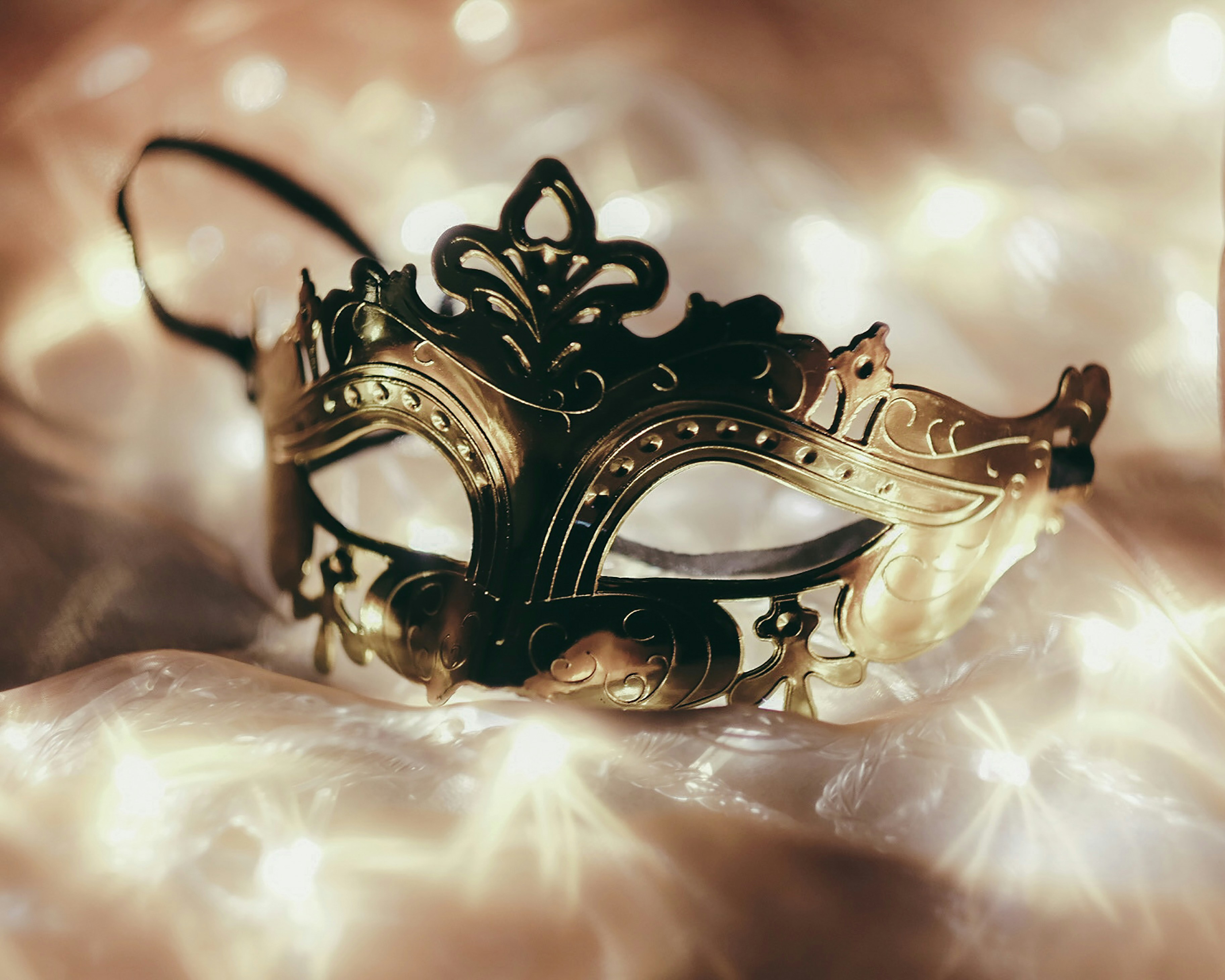
Also, people got dressed up for the ball, wanting to put their very best foot forward. In many versions, we see Cinderella frantically making entirely new dresses for her stepmother and stepsisters, as none of their current ensembles will do. They want to look different – one might even say they want to look unlike they usually do. In one of my favorite adaptations of Cinderella, The Slipper and the Rose, all the attendees wear powdered wigs. Some adaptations even turn the ball into a masquerade, which intentionally hides identities. Those situations would mean that all the information about what Cinderella looks like is skewed at best and inaccurate at worst.
Outward Reflection of Inner Self
To borrow a phrase from another Disney movie, Cinderella is a story of “a diamond in the rough”, a jewel hidden from view. The story of Cinderella isn’t one about finding true love (she didn’t ask for a prince, she asked to go to a party!) – that’s something of a side effect to Cinderella’s reclamation of her identity and finding confidence in herself. Stories like this often utilize some sort of physical symbol of the character’s inner self. Cinderella is a good, kind, and pure soul, and as such, she is unique to the point of being the only person to fit the slipper. It’s not because of the size of her feet, but the nature of her character.
A lot of fairy tales mesh the literal and metaphorical in this way. Diamonds and Toads features a pair of blessed/cursed sisters, whose words produce literal treasure or creepy-crawly animals (a concept that inspired the novel I’m currently working on) depending on whether they possess a kind or cruel spirit. The Beast in Beauty and the Beast is cursed with a monstrous form that reflects his inner self (at least, according to the enchantress who casts the spell, but do we really trust the person who might have cursed a child?).
The Superman Effect
Assumptions and expectations play a big role in the way we view the world.
In March of 2016, actor Henry Cavill decided to prove a point. People had complained for years that the simple pair of glasses that Superman donned as his alter-ego, Clark Kent, made for a terrible disguise. Surely people would have noticed the similarities between the two! Cavill, one of the stars of the upcoming “Batman v Superman: Dawn of Justice” and having already portrayed the Man of Steel, embarked on an experiment. He went to Times Square, which was plastered in ads for the upcoming movie that featured his face, and stood under those billboards. He wore a Superman shirt, had his hair styled like the hero, and wasn’t even wearing the glasses that got so many people riled up.
Superman’s “disguise” works so well not because it hides his identifying features, but because he simply becomes another member of the crowd, the everyday people, who no one expects to be a hero.
Or, in a more magical example, consider The Goose Girl. It’s not clear whether the princess had met her intended husband or not, but he saw the woman dressed in the princess’s clothes, riding the princess’s horse, and commanding the princess’s entourage – he had no reason to think that she might not be the princess he was expecting. So why would he have looked closer at her maid? Sure, he might have found the true princess sooner, but he had no reason to be looking, no reason to mistrust.
Cinderella’s prince was looking for a princess or, at the very least, a noble born lady, given that she was attending a royal ball. Especially in a time when servants were as good as invisible, it makes sense that no one would look at the ash-covered serving girl and think, “She looks exactly like the woman who stole the prince’s heart at the ball!” In my opinion, that’s why Cinderella’s stepmother and stepsisters don’t recognize her either (something I’ve always found much harder to believe).
People don’t expect to find Superman in an office working a desk job or a princess sweeping floors. So they don’t look for them there.
The Narrative Payoff
It’s just not as good a story if he finds her right away.
There are simply times when it comes to storytelling that we have to suspend our disbelief and accept certain contrivances in the service of the story being told. Like I said earlier, the point of Cinderella isn’t that she marries a prince, it’s that she reclaims the identity that her stepfamily so cruelly stripped from her, and the plot points reflect that.
Fairy tales are stories. They often teach a lesson, yes, but in the end, they’re going to follow the more interesting and entertaining storyline, not the most realistic one.

Do you have a pressing fairy tale question or myth you’d like to see answered or busted here? Let me know in the comments!
Until next time, word nerds!
 Kate G. Jameson
Why did Disney pick gruesome fairy tales and try to make them the happily ever after versions we know? Were there no happy and well written fairy tales they could have started with instead?
Is there a universal favorite fairytale? Or a most hated or criticized fairytale?